• Skip to primary navigation
  • Skip to main content

Erdle Consulting Group

Moving your organization FORWARD

ELEVATING

Your Philanthropic Practice

  • Home
  • About
    • About Us
    • Why Hire Us
    • Our Experts
  • Clients
  • Services
  • Blog
  • Contact

Uncategorized

Vintage black and white sketch of an octopus

Comfort or Courage? Remaking the Complex World of Philanthropy

read more

The first thing that caught my eye in my latest Harvard Business Review magazine were the beautiful plate drawings of octopi. Surprising, right? What could possibly be the connection between an octopus and business—and for me, between an octopus and philanthropy?​

I haven’t read Remarkably Bright Creatures yet, but when my kids were little, we loved the cartoon Oswald—an adventurous octopus who encouraged curiosity. I’ve been fascinated by this adaptable, intelligent creature for years.

Vintage black and white sketch of an octopus

“Become an Octopus Organization: How Your Company Can Adapt to a Complex World,” uses the octopus as a metaphor for organizations that thrive in complex environments –constantly sensing change and adjusting in real time. That idea of awareness—of ourselves and the impact of our actions—landed with me in a very personal way.​

While the pictures drew me in, the content made me pause and reflect on my leadership as an entrepreneur, disruptor, fundraiser, grantmaker, and board member. This led me to thinking about the roles I play at every intersection of my life. Reading this on a snowy MLK weekend made me ask: How do I show up with my kids? With my friends and colleagues? With extended family? With grantees and community partners?​

Am I an “Octopus” or a “Tin Man?”

The authors describe Tin Man organizations as “rigid, optimized for mass production, adherence to process, and top‑down planning.”  That model worked in a simpler world but fails to fit today’s complex, interconnected nonprofit landscape. A Tin Man, like the character, struggles in complex environments, has trouble adapting, and avoids risks by limiting exposure and holding onto tight boundaries. As a leader and consultant,  I often relied on strict processes and solo decision making to get my work done—but I now see how easily that approach slips into “Tin Man” mode.​

My “customers”—the nonprofit and community partners I have supported through grantmaking and board leadership—depended on my curiosity, relationships, and openness to learning.

Avoiding risk often meant avoiding the very issues communities were facing. It was actually less risky to engage, support, and participate, because that allowed me to see the real impact of our funding.​

Looking Back

Looking back, I see my “Tin Man” habits stemmed partly from the family foundation’s antiquated governance structure. At the beginning of my tenure, that was the guide that defined my success.

That structure suited a more top-down era focused on control and predictability, not today’s complex world where small actions and changes ripple unpredictably through communities. Even as I adapted the model, there were boundaries it was unacceptable to push.​ 

I am not alone in this; many new family foundation executive directors struggle to move beyond outdated models and adapt.​

Looking Ahead: Innovation, Adaptability, and Curiosity

In philanthropy, having the ability – and permission – to ask bold questions, innovate, and redefine risk is essential for genuine progress. The authors describe such habits as “antipatterns”—routines that hinder ownership, blur clarity, and stifle curiosity. I didn’t have that language at the time, but I certainly felt the effects.​

Eventually, I realized that the processes built decades ago no longer serve the complex world in which we live. This is where the amazing octopus enters.

“Octopus Organizations”, as the article describes, tap the intelligence of the world around them, distribute decision-making, and learn and shift course at speed to navigate uncertainty. As a grantmaker, that translates directly into how we listen to communities, share power, and let the people closest to the work own the solutions.​

Who are philanthropy’s customers?

This raises a vital question in family philanthropy: are our true customers our fellow family members–or the communities and nonprofits we serve? The article challenges leaders to obsess over whether their choices create more value for their “customers,” and, in philanthropy, that lens would push us outside of the boardroom and into the community.​

Family involvement in foundations is important but ignoring better ways to serve communities means choosing Tin Man comfort over Octopus courage. The article urges organizations to “rewrite their DNA”—changing not only processes but the underlying rules and mental models, shifting from command-and-control to agency and trust.

We can keep focusing inward and granting transactionally, or choose to tackle root causes and system inequities for deeper impact. Foundations – and even individual funders- can absolutely do this work, but only if we are willing to look beyond our own reflection.​

Remaking the Mindset: Evolving, Progressing and Learning because the System Needs Us

As an entrepreneur and a leader I choose to keep evolving and learning, until homelessness, poverty, illiteracy, youth mental health….etc. are truly addressed. And I hope to inspire other funders to do the same. As octopus leaders we can be “system architects” whose primary job is to work on the system, not in it, removing friction, clarifying purpose, and creating conditions where others can excel.  

That vision defines my role in philanthropy designing adaptable blueprints that funders can use to guide their questions, funding decisions and, importantly, impact while evolving with community wisdom.

Holding Ourselves Accountable

Funders rarely have pressure to change, and in a complex world we seek is difficult to measure or see clearly. Years of nonprofit fundraising and grantmaking work have taught me this: flexible and consistent funding and advocacy create real impact. Once you see that impact, there’s no return to the alternative.

Like an octopus sensing its surroundings, the answers to the complex challenges in our communities are in reach should we choose to ask different questions, step out with courage, and do our part to act and problem solve differently. In short, take ownership of the impact of our philanthropy and consider our place within its community architecture.​

Ultimately, we each must choose which direction we head, but I cannot promise that inaction, avoidance, or risk aversion to the problems will be solved that way.  The more we can sense, and stretch like an octopus into the communities we claim to serve, the more likely we will change many of the paradigms that hold our communities back, ourselves included. I’ll hang with the octopus any day.

Allison Erdle is a Philanthropy Consultant and former Executive Director at a family foundation. She partners with foundations, individuals, and their advisors who want to be more intentional, strategic, and informed about the impact of their philanthropy, helping them rethink how their funding supports nonprofits and strengthens communities.

Jar full of change with green leaves sprouting

Intentionally Change Up Your Philanthropy Practice for Good

read more

Jar full of change with green leaves sprouting

The Philanthropy Practice = The Power of Thoughtful Giving for Community Transformation

Philanthropy done well isn’t an afterthought — it’s a meaningful investment in a stronger future for your community and for yourself. When giving is guided by intention and planning, it stops being charity and starts becoming a deeply personal strategy for change.

The plan begins with clarity: knowing what issues matter most to you and aligning your actions to create lasting impact. Strategic giving ensures every contribution — of money, time, or talent — becomes part of a larger effort to solve complex problems rather than offering short-term relief.​

Strategic and Intentional Planning for Our Giving

For individuals, being mindful about giving cultivates purpose and emotional well-being. Research shows that people who reflect on their charitable acts report higher levels of happiness and fulfillment, a sense of connectedness, and a clearer sense of identity. Strategic philanthropy also brings practical benefits — from tax advantages and multigenerational legacy planning to opportunities to strengthen family bonds through shared decision-making.​

Communities, in turn, gain not just funding but sustained engagement. When individuals plan their giving, they can support nonprofits in ways that stabilize services, build local leadership, and tackle systemic issues like education, health care, and equity.​ The true expertise of nonprofits, and their ability to be the connector between funders and communities, allows for greater understanding of what the needs are and how funders can work with nonprofits toward solutions.

And on a larger scale, widespread, well-directed generosity fuels innovation and resilience across the economy. Philanthropy provides risk capital for social progress — funding the ideas, programs, and people who move society forward when public systems can’t move fast enough.​

Given all of the Benefits, Why aren’t more philanthropists doing this?

So if there are all of these benefits, why aren’t more individuals and foundations doubling down on this? Focusing and planning is hard, it isn’t the norm, and honestly, no one is really pushing funders to change their practices. We ask nonprofits for evidence, accountability, reduced spending on overhead, programmatic deliverables in one year and many times, we don’t ever ask the question what does our community need? Local community foundations are wonderful resources to broaden your knowledge and awareness, as are consultants like us who offer an unbiased, non placed-based review and support for your planning. 

Intentional philanthropy, then, is not only about what or how much we give, but how we do it — thoughtfully, strategically, and in alignment with our values. It’s the difference between good intentions and lasting impact.

Erdle Family

The Heart of Philanthropy: How to Identify Your Core Values

read more

When I launched Erdle Consulting Group in 2006, I set out to tackle the persistent challenges I’d witnessed in the nonprofit fundraising world. Drawing on more than a decade of hands-on experience, I wanted to reimagine how donors, nonprofits, and communities could work together for greater good.

My time at Davidson College—though brief—was transformative. There, I saw firsthand what truly effective fundraising and fund development could look like. Later, as I raised corporate funds across Latin America, I kept returning to a simple question: How can we create solutions that work for both donors, nonprofits and beneficiaries?

Erdle Family

Whether I was helping launch a new academic building at Davidson or supporting childcare for entrepreneurial women in Colombia, one thing remained constant: authentic, mission-driven conversations. By focusing on core values, desired impact, and real solutions, we built strategies that advanced the goals of both donors and the communities about which they cared.

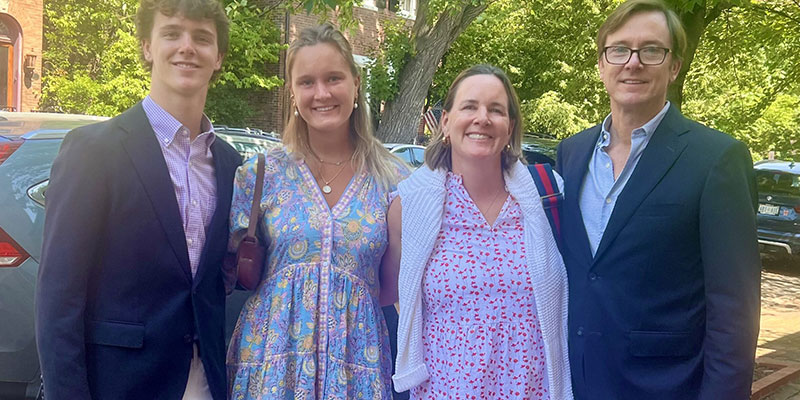
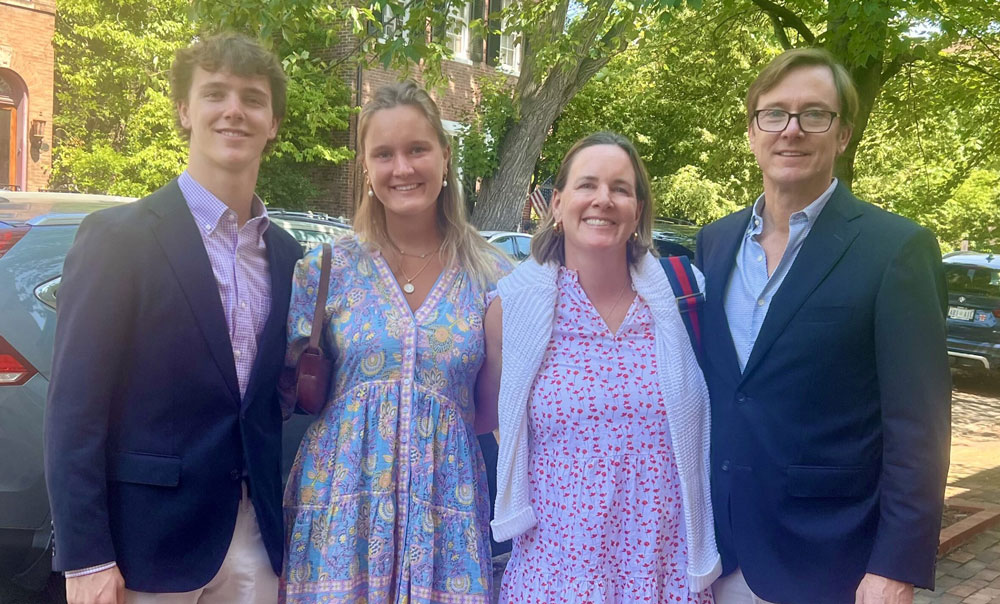
One of my personal core values – family.

Today, these same principles guide our work in philanthropy. Every partnership begins with a deep dive into your core values, philanthropic identity, and vision for impact. We assess who’s involved, clarify your “why,” and then map out a path to operational excellence and meaningful results. Together, we craft a plan that lets you grow, prioritize, and lead with purpose—while keeping the process refreshingly simple.

As we continue to build connections and drive change, we hold ourselves to the same standards we encourage in our clients. Here are the five core values that shape everything we do at Erdle Consulting Group:

Core Values of Erdle Consulting Group

1. Strategic Impact Through Planning and Execution

Real impact doesn’t happen by accident—it starts with a thoughtful plan and evolves into a lifelong practice. We work side-by-side with clients to transform ideas into action, ensuring every strategy delivers measurable results and lasting value for donors, foundations, and nonprofits.

2. Simple, Client-Focused Solutions

Philanthropy should be accessible, not overwhelming. Our four core modules simplify planning and grantmaking, making it easy to get started while honoring what makes each client unique. We blend best practices with flexibility, so every solution fits your needs and advances your mission.

3. Thought Leadership and Continuous Learning

Staying ahead means staying curious. We connect you with the latest insights and proven practices from across the sector, helping you build dynamic plans that reflect your values. Our commitment to lifelong learning ensures you’re always prepared for what’s next.

4. Collaborative and Relational Philanthropy

Great philanthropy is built on trust and relationships. We help clients move beyond transactions to create genuine partnerships—with individuals, foundations, nonprofits, and communities. Together, we foster open dialogue and co-create solutions that drive lasting, community-led impact.

5. Operational Excellence and Systems Thinking

Success is sustainable when it’s rooted in strong systems. We help clients align their values, streamline their operations, and measure what matters. By embracing systems thinking and decisive leadership, we guide you toward the joy and fulfillment of a well-executed, values-driven plan.

These values are more than words—they’re the foundation of every client relationship and every project we take on. At Erdle Consulting Group, we believe that when you lead with purpose and clarity, you set yourself—and your philanthropy—up for lasting success.

Here are some questions you might ask as you think about your Core Values:

  • What are the most meaningful moments in my life, and what made them significant to me?
  • When did I feel most proud of myself? What values were present in those moments?
  • Who inspires me, and what qualities or values do they embody that I admire?
  • What are the top three things I want to be remembered for?
  • When have I felt most fulfilled or truly alive? What was happening, and what values were being honored?
  • How do I want these to show up in my community and through my giving?

  • What is our foundation’s purpose or mission, and why do we exist as “One” foundation? How can we build concensus around our shared values?
  • What behaviors and practices already exist that positively contribute to our success?
  • How do we want to be perceived by our clients, partners, and community?
  • What are the “non-negotiables” in how we operate or make decisions?
  • When have we faced tough decisions, and what principles guided us through?
  • How might we differentiate between our individual values and our shared values?
  • How do our core values influence our approach to our engagement beyond our board, to our partners, and our community?

GET UPDATES IN YOUR INBOX

  • About Us
  • Clients
  • Services
  • Blog
  • Contact
Linked In
Erdle Logo

ERDLE CONSULTING GROUP, LLC

24 W. Cedar Street
Alexandria VA 22301
703-554-4675

©  2026 Erdle Consulting Group. All Rights Reserved.